Deodorant for Sensitive Skin: Label and Ingredient Guide

Quick answer: the best deodorant for sensitive skin is usually the simplest formula that meets your actual goal and avoids your known triggers. Start by deciding whether you need odor control, sweat reduction, or both. Then compare the full ingredient list, fragrance status, application format, and label directions. “Hypoallergenic” or “for sensitive skin” on the front of the package is not a guarantee that a product cannot cause a reaction.
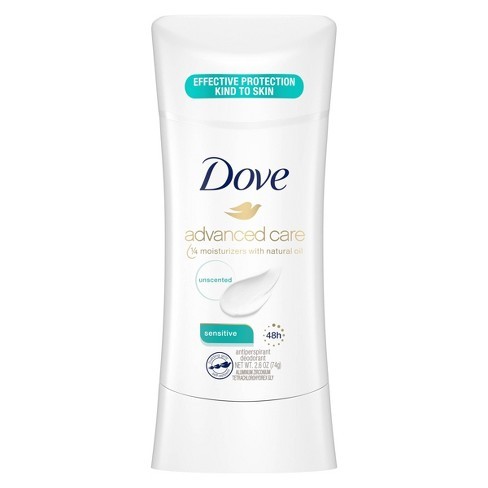
Deodorant and Antiperspirant Are Not the Same
Deodorant is intended mainly to control or mask odor. Antiperspirant is intended to reduce perspiration and is regulated as a drug in the United States when it makes that claim. Some products combine both functions. If wetness is not your concern, a deodorant-only formula may give you a shorter ingredient list to assess. If sweat reduction matters, compare antiperspirant active ingredients and follow the Drug Facts label.
| Goal | Label to look for | Useful check |
|---|---|---|
| Odor control | Deodorant | Fragrance and other known triggers |
| Sweat reduction | Antiperspirant Drug Facts | Active ingredient and directions |
| Both | Antiperspirant deodorant | Both the active and inactive ingredient lists |
What to Check on a Sensitive-Skin Label
Fragrance
Fragrance is a common contact-allergy trigger. The FDA notes that fragrance mixtures may appear simply as “fragrance” on a cosmetic label, and the American Academy of Dermatology distinguishes “fragrance free” from “unscented.” Unscented products can still contain a fragrance used to cover another odor. If fragrance has caused problems before, compare the ingredient panel rather than trusting the product name.
“Hypoallergenic” claims
The FDA states that there is no federal standard or definition governing the term “hypoallergenic.” Treat it as a marketing claim, not proof of compatibility. A complete ingredient list and a history of what your skin tolerates are more useful than the claim alone.
Format and friction
Solid sticks, creams, gels, roll-ons, and sprays feel different on freshly shaved or irritated skin. A product that requires repeated hard rubbing may be uncomfortable even when the formula itself is acceptable. Sprays also require careful use according to their directions and should not be inhaled intentionally.
Acids, baking soda, and botanical ingredients
These ingredients are not automatically good or bad for everyone. Acids can sting compromised skin, alkaline powders may bother some users, and essential oils or plant extracts can still contain fragrance-related allergens. Avoid universal claims such as “natural means non-irritating.”
A Practical Selection Process
- Define the job. Decide whether odor, moisture, or both is the primary concern.
- List known triggers. Include fragrance, preservatives, adhesives, or ingredients identified by a clinician or prior product reaction.
- Read both panels. Combination antiperspirant deodorants can have a Drug Facts panel and an inactive ingredient list.
- Use one new product at a time. This makes a reaction easier to trace.
- Follow the label. Do not apply to broken or actively irritated skin unless the product directions and your clinician say it is appropriate.
Patch Testing and Reactions
A small personal-use test can reveal obvious irritation, but it cannot prove that a product will never cause allergy or delayed contact dermatitis. If you have recurrent underarm rash, a board-certified dermatologist can evaluate other causes and may recommend formal patch testing. Stop the suspected product if burning, swelling, hives, or a spreading rash develops. Seek urgent medical care for trouble breathing, facial swelling, faintness, or other signs of a severe reaction.
For adjacent routines, compare our sensitive-skin body wash guide and sensitive-skin makeup checks. Introduce products separately so the deodorant is not blamed for a reaction caused by a new cleanser or shaving product.
What This Guide Does Not Claim
No deodorant is guaranteed to work for every sensitive-skin user, prevent all odor, or remain non-irritating all day. Product formulas can change, and current price or stock is retailer-specific. Verify the package you are buying and do not treat customer ratings as medical evidence.
Sources
- FDA: Cosmetics Safety Q&A – Hypoallergenic
- FDA: Allergens in Cosmetics
- AAD: Itchy Rash and Contact Dermatitis
Frequently Asked Questions
Is fragrance-free always better?
It is a useful starting point when fragrance is a known trigger, but other ingredients can also cause irritation or allergy. Check the complete label.
Does deodorant stop sweat?
Deodorant primarily addresses odor. Look for an antiperspirant Drug Facts label when sweat reduction is the goal.
Does hypoallergenic mean allergy-proof?
No. FDA does not define the term through a federal standard, and individual reactions remain possible.