Best Drugstore Eyeshadow Primer: Lid Prep, Formula, and Wear Guide

A good drugstore eyeshadow primer should match your lid type, shadow texture, wear goal, and eye-area label directions. Start with oil level, dryness, shade, finish, and removal needs, then compare formula texture. This guide gives shopping and application checks without claiming that Beauty Supply Reviews tested every product listed in stores.
Quick Answer: How to Choose a Drugstore Eyeshadow Primer
Choose a drugstore eyeshadow primer by matching the formula to your eyelids and makeup routine. Oily lids usually need thin, fast-setting textures. Dry-looking lids often look smoother with flexible creams. Deep or bright eyeshadow needs a base that grips color evenly. Always check whether the product directions support use near the eyes.
| Need | Primer direction | What to check | Avoid when |
|---|---|---|---|
| Oily lids | Thin setting primer | Light texture, low slip, clear dry-down | It feels greasy after setting |
| Dry-looking lids | Flexible cream primer | Smooth spread and no heavy flaking | It grabs before blending |
| Deep color payoff | Tinted or tacky base | Even shade and controlled grip | It changes the shadow color too much |
| Natural makeup | Sheer neutral primer | Skin-tone match and soft edges | It looks chalky alone |
| Shimmer or metallic shadow | Smooth, even base | No pilling under shimmer | It makes shimmer patchy |
Primer vs Concealer vs Cream Shadow
Primer, concealer, and cream eyeshadow can all sit on the eyelid, but they are not the same product. A primer is meant to prep the lid for shadow. Concealer is mainly for tone correction or coverage. Cream eyeshadow is color makeup and may not work as a base for every formula.
| Product | Main job | Useful when | Watch out for |
|---|---|---|---|
| Eyeshadow primer | Prepare the lid for eye shadow | You want smoother color placement | Too much product can gather |
| Concealer | Coverage and tone evening | You need a quick neutral base | Creamy concealer may crease under shadow |
| Cream eyeshadow | Color and finish | You want one-shadow makeup | It may not grip powder shadow well |
| Shadow stick | Direct color placement | You want fast makeup | Fast-setting sticks need quick blending |
| Glitter glue or sparkle base | Hold sparkle or topper shades | You use eye-area sparkle products | Read directions and placement limits closely |
Choose by Lid Type
Lid type affects how primer feels and how shadow sits. Use these checks as a shopping filter, then patch-test new makeup in a low-risk way according to the product directions.
| Lid concern | Formula to compare | Application tip | Internal guide |
|---|---|---|---|
| Oily lids | Lightweight setting primer | Use a thin layer and let it set | Oily-lid eyeliner guide |
| Dry texture | Flexible cream base | Avoid over-powdering the lid | Cream eyeshadow guide |
| Hooded eyes | Thin primer with controlled dry-down | Apply while looking straight ahead | Eye-shape makeup guide |
| Bright pigment | Tinted or gripping base | Keep the layer even before adding color | Pigmented eyeshadow guide |
| Sensitive-feeling routine | Simple formula and clean tools | Follow the product directions and remove gently | Sensitive-eyes eyeliner guide |
Texture and Shade Checklist
Drugstore primer formulas can be clear, beige, white, peach, or color-correcting. The right shade depends on your skin tone, shadow color, and whether you plan to wear primer alone.
| Primer type | Best use | Check before buying | Common issue |
|---|---|---|---|
| Clear primer | Most everyday powder shadows | Does it dry without shine? | May not brighten pale shadows |
| Skin-tone primer | Evening lid tone | Does the shade blend on your skin? | Can look ashy if too light |
| White base | Bright or pastel shadows | Does it blend thinly? | Can change neutral shadows |
| Peach or warm base | Blue or purple discoloration look | Does it work under your shadow? | Can warm up cool shades |
| Tacky glitter base | Eye-area sparkle toppers | Are directions clear for eye placement? | Too much can feel heavy |
What to Notice During a Store Swatch
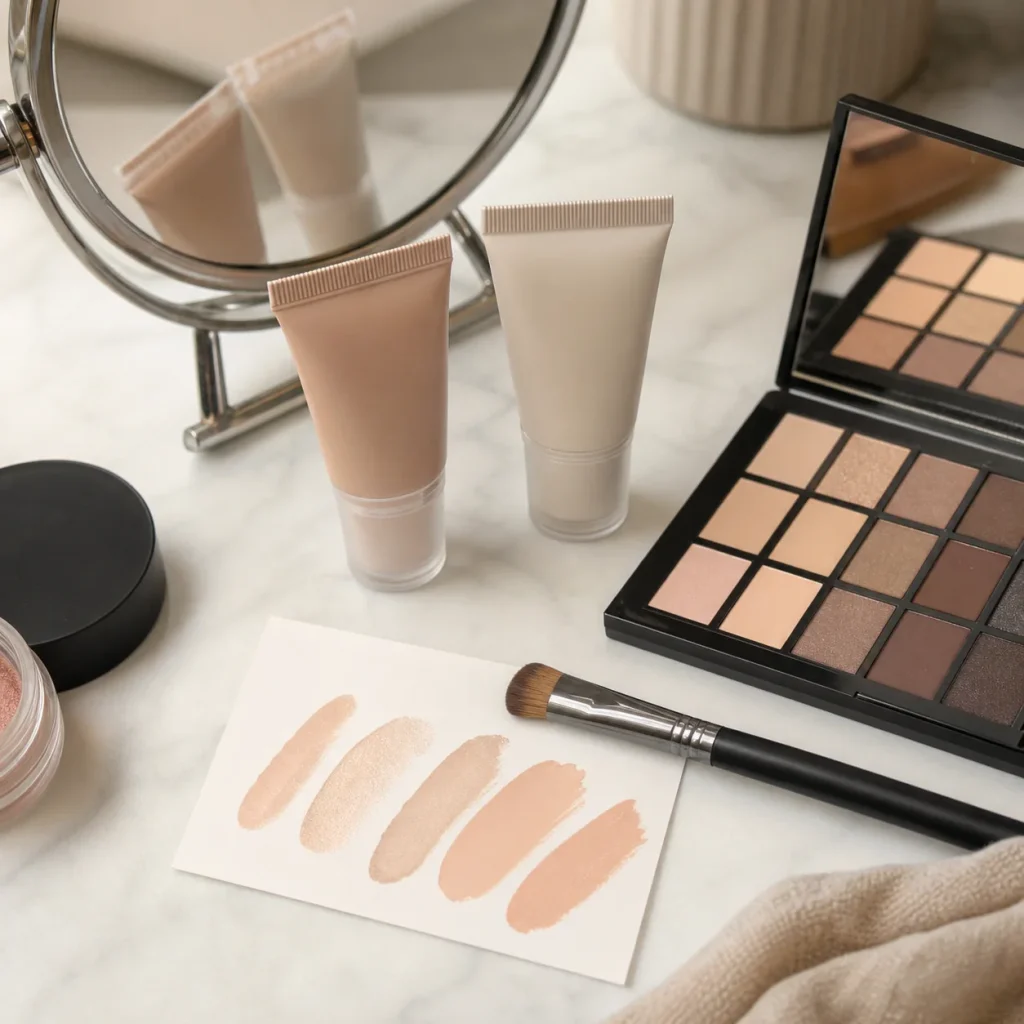
A hand swatch is not the same as a full eye makeup day, but it can still reveal useful details before you buy. Look at how thinly the primer spreads, whether the edge turns patchy, and whether the shade dries darker, lighter, warmer, or cooler than it looked in the tube. If a primer feels slippery on the hand after a minute, it may also need more setting time on lids. If it becomes dry and grabby very quickly, plan to blend shadow in smaller sections.
Check the packaging as closely as the texture. A squeeze tube is usually easier to control than a large doe-foot when you want a tiny amount. A wand can be convenient, but it should close cleanly and should not leave excess product around the neck of the tube. If the store tester looks old, messy, separated, or dried around the cap, do not use that tester near your eyes. Use the label, online ingredient list, and return policy as part of the decision, especially when you already know that certain textures bother your routine.
Also compare primer against the shadows you actually wear. A white base can make pastel color show more clearly, but it may make neutral brown or taupe shadow look lighter than intended. A peach base can soften the look of blue or purple lid tone, but it can warm up cool gray or mauve shades. A clear base keeps the shadow color closer to the pan, but it may not hide lid discoloration. This is why the best budget choice is often the formula that matches your most-used shadows, not the one with the boldest shelf claim.
How to Apply Eyeshadow Primer
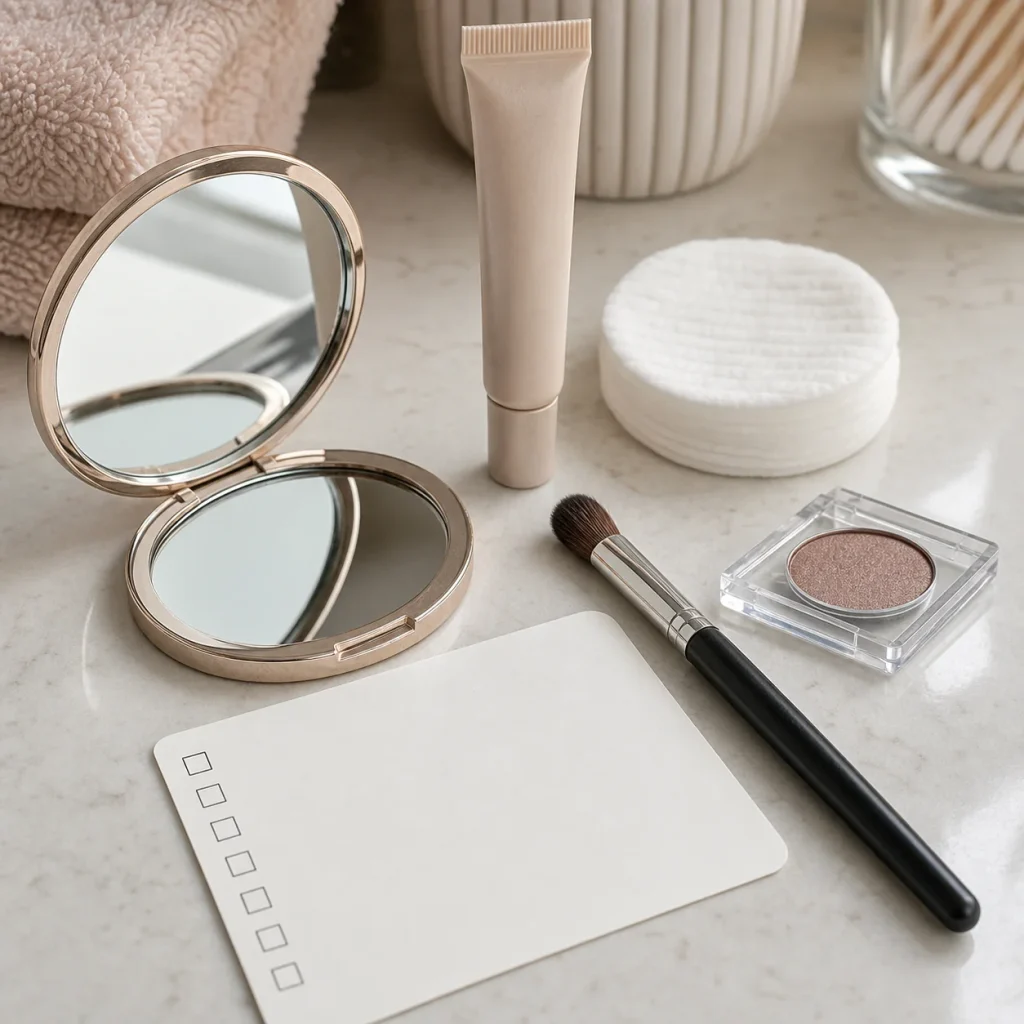
Use less primer than you think. The goal is an even film, not a thick layer. Work in small amounts, keep tools clean, and let the texture settle before applying powder, cream, or stick shadow.
- Start with clean, dry lids unless your product directions say otherwise.
- Apply a rice-grain amount to one lid.
- Blend from lash line to crease with a clean fingertip or brush.
- Check that the layer is thin and even at the inner corner.
- Let it set briefly before adding powder shadow.
- Use less primer under cream shadow or shadow sticks so textures do not pill.
- Remove eye makeup gently at the end of wear.
Drugstore Shopping Checklist
A low price is useful only if the formula fits your routine. Compare the label, packaging, texture, removal step, and how the product will work with the eye shadow formats you already use.
| Check | Good sign | Risk signal | Why it matters |
|---|---|---|---|
| Eye-area directions | Directions clearly describe eyelid use | Multi-use claim with unclear placement | Eye cosmetics need extra care |
| Packaging | Tube or wand stays clean and closes tightly | Old open product or shared tester | Cream products can collect residue |
| Texture | Thin layer spreads evenly | Thick layer skips or pills | Uneven primer affects shadow |
| Shade | Blends with your lid or target shadow | Too pale, too orange, or too opaque | The base can change color payoff |
| Removal | Comes off with your normal eye makeup remover | Needs harsh rubbing | Gentle removal protects the routine |
Primer Pairings by Eyeshadow Type
Primer should support the shadow formula, not fight it. Powder, cream, stick, shimmer, and pigment shadows all behave differently on top of base products.
| Eyeshadow type | Primer approach | Useful related page |
|---|---|---|
| Powder palette | Thin set layer for even blending | Neutral palette guide |
| Cream eyeshadow | Use minimal primer or skip if the cream sets well | Cream eyeshadow guide |
| Shadow stick | Let primer set before drawing on the stick | Eyeshadow stick guide |
| Bright pigment | Use an even gripping base | Pigmented eyeshadow guide |
| Brown-eye palette | Choose base shade by color family | Brown-eye palette guide |
Eye-Area Hygiene and Replacement
Eye makeup products sit close to a sensitive area, so clean tools and replacement timing matter. FDA and AAD consumer guidance emphasize careful eye-area use, clean applicators, and attention to product changes such as smell, texture, or age.
- Do not share eye primer, eye shadow, or applicators.
- Close tubes and jars tightly after use.
- Clean brushes used around the eyes on a regular routine.
- Do not add water or saliva to refresh a drying product.
- Stop using a product that changes smell, texture, or appearance.
- Follow the label directions for placement and removal.
Common Mistakes
- Using too much primer and then blaming the eyeshadow.
- Applying shadow before the primer layer settles.
- Using concealer as primer without checking whether it creases on your lids.
- Choosing a white base when you only need a sheer neutral base.
- Layering cream shadow over a heavy primer and causing pilling.
- Ignoring brush hygiene around eye makeup.
- Keeping old eye products after the texture or smell changes.
Sources
- FDA: eye cosmetic safety
- FDA: makeup
- FDA: using cosmetics safely
- FDA: shelf life and expiration dating
- AAD: how to clean makeup brushes
- AAD: when to replace makeup
FAQ
Do you really need eyeshadow primer?
You may not need it for every look, but primer helps when powder shadow skips, fades unevenly, or looks patchy over bare lids. It is most useful when your lids are oily, your shadow color is pale or bright, or you want a smoother base.
Can concealer replace eyeshadow primer?
Concealer can even the lid tone, but it is not always a primer replacement. Creamy concealer may gather under powder shadow on some lids. Test a thin layer before relying on it for longer wear.
What drugstore primer works best for oily lids?
Look for a lightweight formula that sets down without a slick finish. Apply a thin layer, let it settle, and use less skin care directly under eye makeup if products are sliding.
Should primer be clear or tinted?
Clear primer works when you only need texture control. Tinted primer can even lid color or help pale shadows show, but the shade should blend with your skin or support the shadow color.
Can eyeshadow primer be used under cream eyeshadow?
Sometimes, but use less. Cream shadow over a heavy primer can pill or feel thick. If the cream shadow sets well by itself, a primer may not be necessary.
How much eyeshadow primer should I apply?
Use a very small amount on each lid. A thin, even layer usually works better than a visible coat. Too much primer can make powder shadow catch unevenly.
When should eye primer be replaced?
Follow the product label and replace it sooner if smell, texture, or appearance changes. Eye-area products should not be refreshed with water or saliva.
Is drugstore eyeshadow primer different from expensive primer?
The useful difference is not just price. Compare texture, dry-down, shade, packaging, eye-area directions, and whether the formula works with the shadows you already use.