Drugstore Eyeliner for Oily Lids: Prep, Formula, and Wear Checks

The best drugstore eyeliner for oily lids is a formula you can apply in a thin, controlled line after the lid surface is dry and lightly set. Gel pencil, water-resistant pencil, and felt-tip liner can all work, but the right choice depends on placement, removal effort, and how much transfer you usually get.
Quick Answer: What Eyeliner Works Best on Oily Lids?
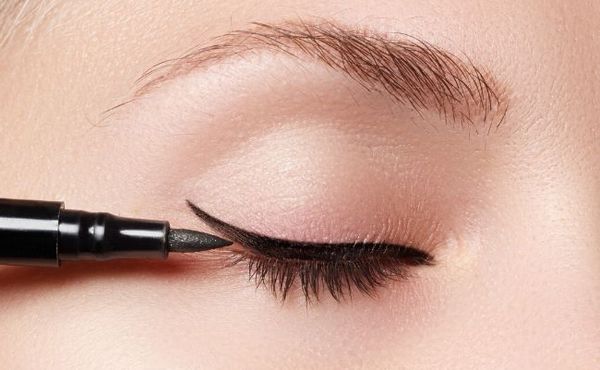
For oily lids, start with a sharpenable or twist-up gel pencil for soft definition, a felt-tip pen for a clean upper-lash line, or a water-resistant pencil when transfer is your main problem. Skip heavy, creamy lines on bare lids; they move fastest when oil, skincare, and blinking all meet the same product.
| Eyeliner type | Best oily-lid use | Why it helps | Tradeoff |
|---|---|---|---|
| Gel pencil | Soft upper-lash definition | Sets more firmly than many creamy pencils | Needs sharpening or a clean twist-up tip |
| Felt-tip liquid pen | Thin line or small wing | Gives control without loading the lid with product | Can flake if layered too thickly |
| Water-resistant pencil | Longer days and humid weather | Usually transfers less than a basic pencil | Needs a gentler removal plan |
| Powder shadow liner | Soft daytime definition | Thin dry texture is easy to adjust | Less crisp than pencil or liquid |
| Dip liquid liner | Graphic upper-lid line | Can create strong color in one pass | Less forgiving on textured or very oily lids |
Oily-Lid Prep Before Eyeliner
Lid prep matters as much as the eyeliner itself. If moisturizer, sunscreen, or concealer is still slick, even a strong liner has less chance to grip evenly.
| Step | What to do | Why it matters |
|---|---|---|
| Let skincare settle | Wait until the lid no longer feels wet or slippery | Fresh skincare can break down liner early |
| Blot the lid | Use a clean tissue or blotting paper | Removes extra surface oil before makeup |
| Use a thin base | Try a small amount of eye primer or a sheer powder layer | Creates a drier surface for pencil or pen |
| Draw short strokes | Build the line in small sections | Short strokes reduce heavy product buildup |
| Let it set | Keep eyes relaxed for a few seconds after applying | Fresh liner moves more easily before dry-down |
Formula Checks for Drugstore Eyeliner
A drugstore eyeliner for oily lids should give clear placement directions, a cap that seals well, and a texture that still removes without repeated rubbing. Eye-area products also need to be used as directed, especially when the line is close to the lashes.
| Check | Look for | Be careful with |
|---|---|---|
| Eye-area label | Directions that match lash-line or lid use | Face, lip, or novelty pencils used near the eye |
| Color use | Shades intended for the eye area | Bright face colors without eye-area wording |
| Tip condition | Smooth pencil point or clean felt tip | Dry, rough, or split tips |
| Removal | Comes off with your usual eye makeup remover | Lines that need hard rubbing |
Upper Lash Line, Wing, or Waterline?
Oily lids usually do best with a thin upper-lash line first. Wings need a drier outer corner and lighter layers. For waterline looks, use only products whose directions support that placement, because eye-area color and placement rules are stricter than general face makeup rules.
| Placement | Better choice | Why |
|---|---|---|
| Upper lash line | Gel pencil or felt-tip pen | Controlled line with less product on the lid |
| Small wing | Fine felt-tip pen | Easier to keep the tail thin and dry |
| Smoky line | Pencil set with shadow | Soft finish hides small transfer better |
| Waterline | Pencil labeled for that placement | Label support matters near the eye surface |
Wear and Removal Tradeoffs
Longer wear is useful, but the easiest oily-lid eyeliner is not always the strongest waterproof formula. If removal takes repeated rubbing, use that liner for longer days and keep a softer pencil or shadow liner for routine makeup.
What to Skip
- Very creamy pencil on a bare, shiny lid.
- Thick liquid liner layers that never fully dry.
- Using lip liner, face paint, or novelty colors as eyeliner.
- Shared pencils, testers, or brushes near the eye area.
- Old products that smell different, dry out, or change texture.
Related Beauty Supply Reviews Guides
- Drugstore Liquid Eyeliner: Tip, Wear, and Removal Checks
- Eyeliner for Beginners: Formula, Technique, and Eye Safety Guide
- Best Eyeliner for Sensitive Eyes: Formula and Use Checks
- Winged Eyeliner Tools: Pens, Brushes, Stamps, and Guides
Sources
- FDA: Eye Cosmetic Safety
- FDA: Makeup
- FDA: Cosmetics Safety Q&A – Eye Cosmetic Safety
- FDA: Color Additives and Cosmetics
- Poison Control: Eye Shadows and Liners
FAQ
What type of eyeliner is best for oily lids?
Gel pencil, water-resistant pencil, and felt-tip liner are usually the most practical starting points for oily lids. Choose by placement first, then test how easily the line removes at night.
How do I keep eyeliner from transferring on oily eyelids?
Let skincare settle, blot the lid, use a very thin base, draw short strokes, and keep the first line narrow. Heavy layers transfer faster than a thin line that has time to set.
Is waterproof eyeliner best for oily lids?
Waterproof eyeliner can help on long days, but it is not always the best daily choice if removal is difficult. Match wear level to the day instead of using the strongest formula every time.
Can I use liquid eyeliner on oily lids?
Yes, liquid eyeliner can work on oily lids when the lid surface is dry, the line is thin, and the formula has time to set. Felt-tip pens are usually easier than dip liquids for quick daily lines.
Should I line the waterline if my lids are oily?
Use a waterline only when the product directions support that placement. If the label is unclear, keep the liner on the upper lash line or just below the lower lashes.
How should I remove long-wear eyeliner?
Hold remover on the line briefly, then wipe gently instead of scrubbing. If a formula takes repeated rubbing every night, save it for occasional wear and choose an easier-removal option for daily makeup.