Golden Brown Hair Color: Starting Level, Undertone, Formula, and Upkeep Guide

Direct answer: golden brown hair combines a brown depth with visible yellow-gold warmth, sometimes supported by a small amount of copper or natural tone. Choose the target depth first, then compare it with your natural level, exposed warmth, previous artificial color, gray percentage, and porosity. Use deposit when the canvas is already at the needed depth, controlled lightening when the target is genuinely lighter, and a strand test to decide whether the result is balanced gold or unwanted orange. Golden brown is a direction, not one universal formula.
A successful result should still read as brown in neutral light. The gold provides luminosity rather than turning the entire shade yellow, orange, or red. Reference images shown only in sunset light or with strong filters can make ordinary warm brown appear more golden than it is.
Define the golden brown target
Describe the goal with depth, warmth, and dimension. Deep golden brown keeps a dark brown base with subtle amber reflection. Medium golden brown shows more honey warmth while remaining clearly brown. Light golden brown can sit near dark blonde and may require more lift and maintenance.
Next decide how warm the result should look. Balanced gold is yellow-gold anchored by brown. Caramel often includes a little more orange or beige. Copper brown leans visibly orange-red. If the reference looks fiery, it may not be a golden brown target.
Finally choose one field of color or dimensional placement. Fine gold ribbons over a neutral brown base can look brighter with less overall lift. A single warm brown field is simpler but may reveal root regrowth and fading more uniformly.
Assess the starting level in daylight
Use indirect daylight and compare dry hair through roots, mid-lengths, and ends. Natural dark blonde or light brown may accept a light-to-medium golden direction through deposit or modest label-supported change. Medium brown often supports a richer gold-brown result. Very dark hair exposes red, red-orange, and orange as it lightens, so a pale honey-brown target may require staged professional work.
Do not assign one starting level to uneven hair. Roots may be natural, mid-lengths may contain permanent color, and ends may be porous or lightened. Each area can respond differently to the same mixture.
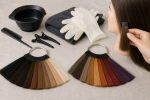
The shade-chart selection guide explains how level families and swatches provide direction without predicting an exact result on every starting canvas.
Separate natural pigment from artificial color
Natural hair and previously colored hair do not follow the same route. Permanent color may shift some suitable natural pigment according to its directions, but color generally does not lift old artificial dark color to a clean lighter result. Repeated applications can leave bands.
Record every known service: permanent dye, demi color, direct dye, gloss, bleach, henna, metallic salts, relaxer, or perm. Unknown history, black artificial color, uneven buildup, and corrective work are reasons for professional assessment.
If light porous hair is being darkened to golden brown, missing warm foundation may need to be restored before the final brown deposit. Adding a cool or neutral brown directly can create a flat or hollow result; adding excessive orange can overshoot the target.
Understand gold, orange, and red undertones
Gold is associated with yellow warmth, while deeper starting levels expose progressively stronger orange and red-orange during lift. A target can look golden only when the underlying canvas and deposited pigments are balanced at the same depth.
Do not rely on a single color-wheel rule. Product system, pigment concentration, developer, processing, section saturation, porosity, and lighting all affect the result. A blue product may mute orange, but too much cool pigment can dull the gold or create unevenness on porous sections.
Compare golden brown with neighboring warm families in the red hair color ideas guide. The comparison helps define when warmth has shifted from gold into copper or red.
Choose a realistic formula route
Deposit or gloss
When hair is already at the target depth, a demi-permanent color or gloss may add gold, refine neutrality, or deepen slightly. It generally does not create major lift. Porous ends can absorb warm pigment more strongly or fade faster than healthy roots.
Permanent color
Permanent color may be considered for lasting deposit, gray coverage, or a label-supported shift on suitable natural hair. It creates ongoing root maintenance and should use only the directed developer and ratio.
Lighten, then refine
When the target is substantially lighter, the canvas may need controlled lightening followed by tonal refinement. This is not the same as selecting a brighter golden box shade. Strong exposed orange, uneven bands, and fragile hair make professional sequencing important.
Do not mix shades across product systems or invent a developer strength. Formula names and numbering vary by manufacturer.
Use strand testing as evidence
Complete every label-required allergy alert or skin test before each use, then test a representative hidden strand with the exact formula, ratio, saturation, and timing. Include a section that reflects the most porous or previously colored area.
Evaluate the strand dry in daylight and indoor light. Ask: Does it remain brown? Is the warmth gold, orange, or red? Did the ends become darker than the roots? Is the hair still acceptably strong and flexible?
If the strand is too orange, do not simply extend processing. If it is too dark, do not assume the full-head result will look lighter. Revise the route or seek professional help.
Plan for gray hair
Gray percentage and distribution affect the result. Resistant gray may need a natural or neutral component in addition to gold for coverage, depending on the product system. Pure warm deposit can look more translucent on some gray hair and denser on pigmented sections.
Decide whether the goal is full coverage, warm blending, or visible silver with golden-brown dimension. Strand testing should include a representative gray section when possible.
Root maintenance frequency depends on contrast, growth, coverage goal, and formula, not a universal calendar.
Account for porosity and application order
Porous ends may grab gold, turn darker, or release warmth quickly. Healthy roots can process differently because of condition and scalp-area warmth. Follow the exact product sequence rather than applying one formula from roots to ends by habit.
Some plans use separate timing or formulas for roots and lengths. Avoid repeatedly overlapping permanent color through fragile ends just to refresh shine. A gloss or limited deposit may be more appropriate when directions and hair condition support it.
Mineral buildup and previous direct dye can alter warmth. Do not use aggressive cleansing immediately before chemical color if it conflicts with directions or irritates the scalp.
Choose golden brown for skin undertone carefully
Personal coloring can guide preference, but there is no rule that assigns one shade to every warm, cool, or olive complexion. Depth, contrast, eye color, clothing palette, and desired maintenance also matter.
Golden shades can look rich against some olive undertones, while very yellow or orange warmth may emphasize tones the wearer does not prefer. The hair color for olive skin guide provides a broader comparison framework rather than a mandatory match.
Test swatches near the face in neutral light without assuming a printed or synthetic ring exactly represents the final hair result.
Build dimension without losing the brown base
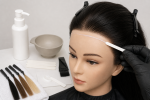
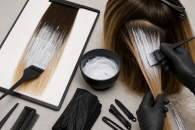
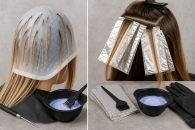
Fine honey pieces can brighten the face while a medium brown base preserves depth. Caramel ribbons add stronger contrast. A soft root can reduce a visible grow-out line, but the placement must fit the starting hair and future touch-up plan.
Broad pale pieces demand more lift and can shift the overall result toward blonde. Dense copper pieces can make the result read auburn. Define how much of the hair should remain brown before choosing the section map.
Complex back-of-head placement and multiple formulas are appropriate reasons to use professional service.
Maintain balanced warmth
Wash frequency, hot water, sun, heat styling, mineral buildup, and porosity affect fading. Use color-care products compatible with the service, moderate heat, and label-directed heat protection.
A blue maintenance product may mute unwanted orange, but frequent or uneven use can dull intentional gold. Purple products primarily address yellow and may shift very light pieces differently from the brown base. Choose maintenance pigment only after identifying the actual unwanted tone.
Record the formula, timing, strand result, and application map. Refresh roots, faded lengths, and dimensional pieces according to their separate needs rather than repeatedly coloring everything.
Safety limits
The U.S. Food and Drug Administration advises following all hair-dye directions, completing the directed skin test before every use, wearing gloves, keeping dye away from the eyes, observing processing time, and rinsing the scalp well. Never use scalp hair dye on eyebrows or eyelashes.
The American Academy of Dermatology notes that lightening more than three shades generally requires stronger peroxide and can cause more damage. It recommends staying within three shades of natural color when possible and spacing chemical services.
Do not proceed on an irritated, scratched, sunburned, or damaged scalp. Stop and follow product directions if a reaction occurs.
Common golden brown mistakes
- Choosing a filtered reference without defining depth.
- Calling any orange brown golden brown.
- Expecting color to lift previous dark dye cleanly.
- Applying one formula equally to roots and porous ends.
- Skipping a strand test on uneven history.
- Overusing blue pigment and dulling intentional gold.
- Judging the result only while wet or in warm light.
- Repeatedly overlapping permanent color through lengths.
Golden brown decision checklist
- Define target depth, amount of gold, and dimension.
- Map natural level, artificial color, gray, and porosity.
- Identify the warmth likely to appear during any lift.
- Choose deposit, permanent color, or professional lightening realistically.
- Complete label-required safety checks and a strand test.
- Use product-directed ratios, timing, and application order.
- Evaluate the dry result in neutral light.
- Plan root, length, and tone maintenance separately.
Sources and scope
The FDA hair dyes guidance supports the label, skin-test, glove, timing, eye-area, scalp-condition, and adverse-reaction boundaries used here. The American Academy of Dermatology coloring guidance supports conservative shade changes and damage-reduction limits. Neither source provides a universal golden brown formula, developer, toner, shade number, schedule, or promised outcome.