How Long Semi-Permanent Purple Hair Dye Lasts

Quick answer: Semi-permanent purple dye has no universal wash count. Formula, starting base, porosity, violet depth, cleansing, heat, sun, and prior damage change both duration and fade color. This independent editorial guide does not claim first-hand testing, does not diagnose or prescribe, and does not promise a particular result.
Formula category sets the first boundary
Direct semi-permanent dye, color-depositing conditioner, temporary spray, demi color, and permanent color are different. Confirm the exact formula before interpreting a duration claim or copying another product's wash routine.
Starting base controls visibility and fade
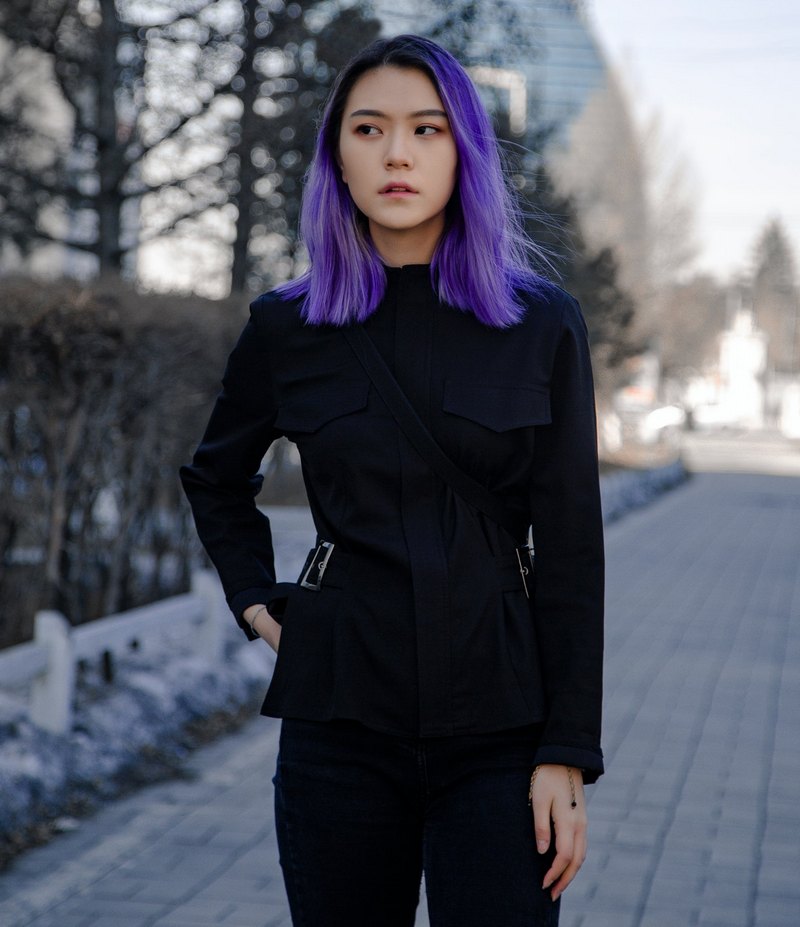
Pale or pre-lightened hair can show vivid purple and retain residual pigment, while dark hair may show only a reflection. Yellow, orange, old color, and porosity can shift violet toward gray, blue, pink, or brown.
Count routine factors, not only washes
Cleanser strength, water exposure, heat, sun, swimming, friction, styling products, and how often hair is washed all matter. A wash count without those details is not a transferable forecast.
Plan the next color before committing
Residual violet can affect blonde, pastel, warm, or natural-color goals. Strand-test fading and removal options and avoid repeated harsh correction when the hair is already porous or breaking.
Start with the manufacturer’s category, not the color name
A purple product labeled semi-permanent may be a direct dye, tinted conditioner, color mask, or another formula with its own directions. Read the current label for processing, warnings, allergy testing, storage, and expected category. Marketing terms such as temporary, washable, or long-lasting are not interchangeable technical promises. Product identity establishes the first boundary for any duration estimate.
Use a strand test as the personal duration baseline
Apply the exact formula to a representative hidden strand only when the label permits, then document the starting shade, processing, first result, and each wash. Test a porous end and less-processed section when they differ. The strand may still behave differently from full application, but it offers more relevant evidence than a retailer review written for another base and routine.
Separate visible duration from residual pigment
The vivid purple phase may be short while a muted violet, pink, blue, gray, or uneven stain remains longer. Ask two questions: how long the desired shade remains recognizable, and how long any pigment affects the next color. A fixed wash count can hide that distinction. Record both the acceptable color window and the point at which correction would be required.
Starting level controls how fade is perceived
On a pale base, small pigment changes remain visible and may reveal blue or pink undertones. On medium brown hair, purple may appear mainly in bright light and seem to disappear sooner. On darker hair, direct dye may add only a subtle cast. Lightening can increase visibility but adds a separate chemical-service decision and should not be treated as a harmless preparation step.
Porosity can create both fast loss and stubborn residue
Highly porous sections may absorb pigment strongly yet release it unevenly, while less-porous roots may look lighter at first. Prior bleach, heat, chemical services, and mechanical wear influence the pattern. A uniform application cannot guarantee a uniform fade when the canvas differs. Track roots, mid-lengths, and ends separately rather than averaging the entire head into one duration claim.
Wash routine is only one duration variable
Frequency, cleanser, water temperature, exposure time, swimming, heat styling, sun, friction, and product buildup can affect visible color. Follow hair and scalp needs instead of avoiding cleansing solely to preserve dye. The AAD recommends gentle care for colored hair. Do not use very hot tools or unapproved additives to seal pigment based on an unsupported social-media technique.
Shade depth and pigment blend shape the fade
Deep violet has more visible pigment to lose than a lavender tint, but that does not establish a predictable calendar. Blue-heavy purple can fade differently from magenta-heavy purple. Mixing products may create an undocumented formula and complicate allergy, compatibility, and future correction. If mixing is allowed, strand-test the exact ratio and preserve a written record.
Transfer can continue after the first rinse
Protect towels, pillowcases, clothing, skin, and bathroom surfaces until the actual product no longer transfers in the user’s routine. Rinse and finish as labeled. Clear-looking water does not guarantee zero transfer, and friction or moisture can release more pigment later. Do not interpret transfer alone as proof that the dye was applied incorrectly or that all color will disappear quickly.
Compare semi-permanent and permanent commitment
The permanent purple guide covers a different formula category and regrowth commitment. Permanent does not mean the visible purple never fades, and semi-permanent does not guarantee complete return to the prior base. Choose by ingredient category, developer use, regrowth, correction, and hair history rather than duration wording alone.
Do not use purple shampoo as a universal refresher
Purple shampoo is usually positioned for toning unwanted yellow in suitable hair, not automatically for restoring every vivid violet dye. Its surfactants, pigment, directions, and effect differ by formula. The purple shampoo guide explains why dry-hair application should not be improvised. Use only products whose label matches the maintenance task.
Plan the next color around residual violet
Blue-heavy residue can affect warm shades, while pink-heavy residue may change a later red or pastel. The blue semi-permanent duration guide provides a neighboring pigment comparison. Wait for the actual fade pattern, strand-test the next plan, and seek professional correction when removing residual color would require significant lightening. Record the shade in neutral light because bathroom lighting can make violet look temporarily cooler or deeper.
Purple duration tracking checklist
- The exact formula category and current directions are documented.
- A representative strand establishes visibility and residual-pigment behavior.
- Roots, mids, ends, wash routine, heat, sun, and transfer are tracked.
- Desired-purple duration is separated from lingering stain.
- The maintenance product and next color are tested against the real fade.
Related Beauty Supply Reviews guides
- Permanent Purple Hair Dye
- How Long Does Semi Permanent Blue Hair Dye Last
- Purple Shampoo In Dry Hair