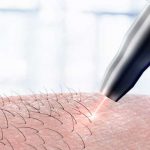
How Long Laser Hair Removal Lasts: Regrowth Guide

Quick answer: Laser hair removal can produce long-lasting hair reduction, but regrowth varies. Most people need a course of sessions because hairs cycle through growth phases, and some later maintenance may be needed. Area, hair color, skin tone, hormones, device, settings, and provider skill matter. This guide does not claim first-hand treatment or permanent removal.
Define lasting as reduction, not guaranteed elimination
A successful course may leave fewer hairs, finer regrowth, slower regrowth, or long periods with little visible hair. It does not guarantee that every follicle is permanently inactive. Marketing language should be compared with the provider’s written treatment goals and current authoritative guidance.
The AAD’s laser hair removal overview describes the process, expected sessions, and the possibility of maintenance treatment.

Understand why treatment needs multiple sessions
Hair follicles are not all in the same growth phase at one time. Laser treatment is most effective on hair in a suitable active-growth stage, so one visit cannot address every future hair simultaneously. Session spacing allows additional target hairs to enter the relevant phase.
The provider should set the interval by area, device, response, and current clinical practice. More frequent sessions are not automatically faster and can add cost or skin exposure without matching the hair cycle.
Use treatment area to set expectations
| Area factor | Why duration can differ | What to track |
|---|---|---|
| Face and chin | Hormonal influence and fine mixed hairs can affect regrowth. | Density, coarseness, and changes over time. |
| Underarms | Often has darker coarse target hair. | Patchiness, reduction, and skin response. |
| Legs | Large area and variable density require consistent coverage. | Missed zones and session timing. |
| Bikini area | Hair can be coarse while skin sensitivity varies. | Comfort, pigment change, and boundary agreement. |
| Back or chest | Large area and hormonal patterns affect course length. | Coverage map, total sessions, and maintenance need. |
Recognize which hair responds poorly
Laser systems generally rely on pigment contrast and target melanin in hair. Blonde, gray, white, and some red hair may respond less effectively because there is less suitable target pigment. Fine hair may also behave differently from coarse dark hair.
A qualified provider should evaluate hair and skin rather than promising a result from a photograph. Ask what technology is proposed and why it fits the actual target.
Account for skin tone and device selection
Skin tone affects energy selection and risk management because skin also contains pigment. Appropriate device choice, settings, cooling, operator training, and test approach matter. A provider should explain how burns, pigment changes, blistering, and other adverse effects are minimized and handled.
Do not select a clinic solely by the highest advertised power or the shortest appointment. Controlled treatment matched to skin and hair is the goal.
Expect hormones and health changes to affect regrowth
Hormonal conditions, pregnancy-related changes, menopause, medications, and other health factors can influence new hair growth. Laser can reduce treated target hairs but does not remove the underlying cause of hormonally driven growth.
Rapid or unusual hair growth with other symptoms should be discussed with a clinician. Bring that history to the laser consultation so expectations and maintenance are realistic.
Complete a full consultation before scheduling a course
- Who evaluates skin and hair, and who operates the device?
- What device and wavelength will be used?
- How are settings chosen for skin tone and hair?
- How many sessions are estimated and at what intervals?
- What counts as an expected response or adverse event?
- What is the maintenance policy and cost?
- How are records, photographs, consent, and privacy handled?
The related laser hair removal guide covers broader method and provider comparisons.
Prepare according to current clinical instructions
The AAD’s laser hair removal preparation guidance covers consultation, sun protection, and treatment preparation. Follow the treating clinician’s instructions for tanning, sunscreen, medicines, skin products, shaving, and prior hair-removal methods.
Do not wax or pluck target hairs when instructions require the follicle to remain available. Do not hide recent sun exposure or a medication change from the provider.
Track response after each session
Record treated area, date, device or clinic information, settings when provided, expected redness, unexpected pain, blistering, pigment change, shedding, and regrowth. Use consistent photographs only with consent and privacy controls.
A patchy stage may reflect hair cycles or uneven coverage. Raise it with the provider rather than treating untreated-looking spots with a home device immediately.
Count representative hairs or map small zones rather than trying to estimate a whole large area from memory. Use the same interval after each session because comparing day seven after one visit with week six after another gives little information about duration.
Understand maintenance sessions
Maintenance may be considered when meaningful regrowth appears after the initial course. Frequency can range widely and may differ by area. A fixed annual schedule is not evidence-based for every person; reassessment should confirm that hair is suitable to target.
Ask whether maintenance is included in a package, priced separately, or subject to a time limit. Commercial terms can change and should be verified in writing before purchase.
Distinguish laser from home light devices
Home-use light-based devices may use different technology, power, schedules, and candidacy rules from professional laser. Results and safety instructions should not be transferred between categories. Follow the exact device manual and contraindications.
The explainer on how laser hair removal works clarifies the target mechanism without treating every light device as the same.
Know when to contact the provider promptly
Follow written aftercare and emergency instructions. Significant blistering, burns, severe or increasing pain, widespread swelling, infection signs, eye exposure, or concerning pigment change warrants prompt professional assessment. Do not apply unapproved acids, retinoids, fragrance, or heat to “correct” a reaction.
Routine questions about shedding and regrowth should still be documented so later settings and intervals can be reviewed.
Laser duration checklist
- The goal is long-lasting reduction rather than guaranteed permanent removal.
- Hair color, coarseness, area, skin tone, and hormonal context are assessed.
- Device, operator, session estimate, interval, and adverse-event plan are clear.
- Preparation and sun guidance are followed.
- Response and regrowth are documented after each session.
- Maintenance is based on actual suitable regrowth, not an automatic sales schedule.
Editorial sources
- American Academy of Dermatology: laser hair removal overview
- American Academy of Dermatology: laser hair removal preparation