Does Neosporin Help Acne?

Acne is common among humans and it can take the form of a pimple, whiteheads, blackheads, or an inflamed skin spot. Acne is common among teenagers and preteens, but it can also be found in every age group. Acne can grow anywhere on your body. Many people normally ask the question, does Neosporin help acne? Neosporin is an ointment antibiotic that is used to fight infections. It contains bacitracin, neomycin, and polymyxin all of which aid at killing the bacteria that cause acne. But unfortunately, that is not the case.
Not at any moment has it been found that the bacteria that causes pimples can be killed by just applying Neosporin. Acne is caused by a bacterium known as Propionibacterium acnes (p. acne) and not at any moment has Neosporin been found to kill that bacteria. It is not able to kill most of the bacteria that cause acne. That means you cannot use it to fight pimples or cystic acne. Neosporin can only be used to heal damaged or broken skin but not acne.
Acne normally arises when sebaceous glands produce too much oil that leads to clogging of skin pores. the sebaceous gland is responsible for manufacturing oil that is useful in keeping your skin moisturized. Acne can be because of internal or external irritants but most of the time it is because of bacteria that is triggered by hormonal changes. Now that you know that acne is caused by a bacterium, many people are normally tempted to go and buy over-the-counter antibiotics such as Neosporin. That will only make the situation worse.
Why You Should Never Use Neosporin For Acne
Excessive usage of antibacterial such as Neosporin is not bad but when you overdo it, that is when it becomes dangerous. Bacteria will build up a resistance and your anti-bacterial will become less effective even to bacteria that are used to kill before. Using Neosporin to treat acne when it does not even work can lead to future skin infections. The petroleum jelly that Neosporin is made with will not allow your skin to breathe leading to clogging and even acne formation. Other side effects of using Neosporin include rashes, hives, difficulty in breathing, and serious itchiness.
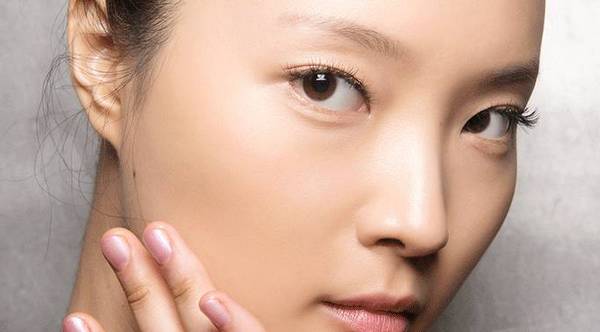
Does Neosporin Help Acne
Best Treatments for Acne
Although you can try to use Neosporin to treat acne, there are other topical treatments that you can use that can work effectively. You can either get them over the counter or they can be prescribed by a doctor. Those alternative treatments include tea tree oil, retinol, blue light therapy, sulfur, and prescription antibiotics creams.
In Conclusion
Acne is normally caused by a bacterium and there is no concrete evidence that shows that Neosporin can be used to target the bacteria that causes acne. Excessive use of Neosporin can cause resistance which may make treating acne more difficult. If you are not sure about what to do with your acne problem, you need to consult with your dermatologist for the best treatment.