Makeup for Olive Skin: Undertone and Color Tests

Quick answer: Treat olive as an undertone pattern, not a single depth or shade family. Compare foundation on the jaw, neck, and visible chest after dry-down, then test cheek, lip, and eye colors in the lighting where the makeup will be worn. This independent editorial guide does not claim first-hand product testing, diagnose, prescribe, or guarantee a result.
Identify olive without relying on one vein test
Olive skin can show a green, gray-green, or muted cast beneath the surface while still varying from fair to deep. Vein color, jewelry preference, and tanning behavior can offer clues but are not definitive tests. Compare the face with the neck and chest in indirect daylight and notice whether common foundations turn orange, peach, pink, or ashy.
Separate undertone from surface redness, tanning, hyperpigmentation, and lighting. Redness around the nose does not automatically make the whole undertone cool, and a summer tan can change depth without replacing the underlying balance. Photograph bare skin beside neutral gray and white references with filters and automatic beauty adjustments disabled.
Match foundation by depth and mutedness
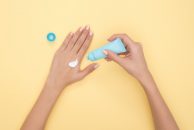
Swatch several nearby depths with different undertone descriptions along the lower cheek or jaw. A suitable candidate should connect the face to the visible neck rather than perfectly disappear into one small spot. Olive matches may be labeled olive, neutral, golden, warm neutral, or another name because brand systems are not standardized.
Observe each swatch after the formula has set for the time directed by the brand. Oxidation, evaporation, sunscreen, skin care, and powder can change apparent depth. Do not correct a poor match by coating the entire face more heavily; select a closer base or use a controlled mixer only when the products are compatible and the mixture is retested.
Use mixers as measured adjustments
A blue or green mixer can reduce excessive orange or peach, while yellow or another controlled pigment can shift a formula that looks too pink or gray. Add a very small documented amount to a separate portion, not to the original bottle. Compare the dry result with an unchanged swatch before expanding the adjustment.
Mixing changes pigment concentration, texture, coverage, finish, and sometimes wear. It can also affect sunscreen if the base makes an SPF claim, so do not treat a cosmetic mixture as a way to preserve labeled sun protection. Use a separate labeled sunscreen as directed and regard the adjusted foundation only as color makeup.
Choose blush by effect instead of a fixed list
Muted rose, terracotta, berry, peach, plum, and red-brown can all work on different olive depths and looks. Decide whether the blush should echo warmth, add cool contrast, or appear nearly neutral. Test a thin layer beside the chosen foundation because the same pan can shift once it sits over a corrected base.
Placement changes the result as much as hue. Color centered on the cheeks can look fresh and rounded; a higher backward placement emphasizes lift; a diffused wash can connect bronzer and lip color. Build gradually and check the complete face rather than judging a concentrated finger swatch.
Separate bronzer, contour, and complexion correction
Bronzer adds a sun-warmed effect, contour creates a shadow impression, and foundation correction changes the base match. An orange bronzer is not the inevitable answer for olive skin, and a gray contour can look unnatural if it does not resemble the person's real facial shadows. Compare candidate shades near the perimeter of the face in neutral light.
Use small amounts and keep each role distinct. If the foundation is already too warm, adding bronzer will not repair the central mismatch. If contour appears muddy, reassess depth, undertone, placement, and brush load rather than covering it with more base.
Build lip color around contrast and natural pigmentation
Natural lip depth changes how nude, coral, red, berry, and brown formulas appear. A nude that matches the arm may look pale or gray on more pigmented lips. Compare the shade with the teeth, surrounding skin, and cheek color, and decide whether the goal is harmony, a deliberate contrast, or a strong focal point.
Liners can adjust the edge and depth without requiring an exact match to every lipstick. Test the complete combination after it settles and inspect it in conversational lighting. Product names such as universal red or olive nude are marketing shorthand, not evidence of one result across all depths.
Plan eye color with the whole palette
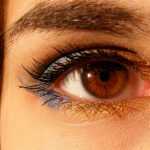
Olive undertones can support warm metals, cool taupes, plums, greens, blues, and neutrals depending on contrast and placement. Start with light-to-deep structure and the intended finish rather than banning colors through a seasonal rule. Eye color, clothing, glasses, and lip emphasis can change which choice feels balanced.
Apply a small test look to both eyes and view it open, at normal distance. A shadow that looks dull in the pan may create useful depth, while a very golden shimmer may compete with warm foundation or jewelry. Use only products labeled for the eye area and remove any formula that causes persistent discomfort.
Check the final match in real conditions
Review makeup after ordinary movement, daylight, indoor lighting, and photography when those settings matter. Note foundation shift, powder cast, blush visibility, lip balance, and transfer separately. Change one component at a time so the next trial reveals which adjustment helped.
Remove makeup using products and methods suited to the area, and discontinue a cosmetic associated with persistent irritation. This guide does not establish a flawless match, fixed wear, pore behavior, or suitability for every skin condition. The useful evidence is a labeled product, controlled color test, comfortable wear, and a result that connects the visible complexion.

Create a shade log
Record brand, shade, undertone label, swatch location, dry-down time, lighting, and the adjustment made. The log prevents repeating nearly identical mismatches and shows whether seasonal depth or a base-product interaction changed the result. Retest after a major skin-care or sunscreen change because the same foundation can dry differently over a new film.
Related Beauty Supply Reviews guides
Editorial sources
- https://www.fda.gov/cosmetics/cosmetic-products/makeup
- https://www.fda.gov/cosmetics/resources-consumers-cosmetics/using-cosmetics-safely