Salicylic Acid Face Wash for Blackheads

Quick answer: A salicylic acid face wash can be a practical option when blackheads are the main concern, but the best choice is the mildest formula that fits the rest of the routine without causing persistent tightness, peeling, or burning. It cannot permanently shrink pores, and this independent guide does not claim first-hand testing, diagnose acne, or promise clear skin.
Define the job before choosing a cleanser
A cleanser has limited contact with the skin. Its main job is to remove surface oil, sunscreen, makeup, sweat, and debris while leaving the skin comfortable enough for the rest of the routine. A blackhead-focused wash may also contain salicylic acid, but a stronger label is not automatically a better fit. If the current routine already includes an exfoliating toner, acne treatment, retinoid, scrub, or medicated leave-on product, adding another active cleanser can increase irritation without making the routine more coherent.
Blackheads are open comedones. Visible pores are normal openings and may look more noticeable because of oil, plugs, skin texture, lighting, or loss of firmness. No wash closes or erases pore anatomy. The useful goal is cleaner-feeling skin and a routine that manages congestion without repeated damage.
When a salicylic acid wash is worth considering
Salicylic acid is an oil-soluble exfoliating ingredient commonly used in acne products. In a rinse-off cleanser, it may suit someone who wants a controlled, short-contact step rather than another leave-on layer. The tradeoff is that rinse-off exposure may be milder, while frequent use or combination with other active products can still irritate.
Check the complete label rather than buying from the front-panel claim alone. Confirm the intended body area, directions, frequency, warnings, and whether the formula is an acne drug or a cosmetic cleanser. Do not assume that words such as pore refining, detox, deep clean, natural, or professional establish effectiveness.
Compare cleanser formats by routine fit
| Cleanser type | Potential fit | Main caution |
|---|---|---|
| Gentle non-active cleanser | Useful when a separate acne product already handles treatment. | It may not address plugs by itself, but it can reduce unnecessary irritation. |
| Salicylic acid wash | Useful for an oily or congested routine that tolerates the ingredient. | Stacking it with acids, scrubs, or retinoids can make the routine too aggressive. |
| Benzoyl peroxide wash | May be considered for inflammatory acne when the label and professional guidance support it. | It can dry skin and bleach fabrics; it is not interchangeable with a blackhead-only cleanser. |
| Cream cleanser | Can suit dry or easily irritated skin that still needs sunscreen and makeup removal. | Very rich residue may not suit every person or every follow-up product. |
| Oil or balm first cleanse | Can help dissolve water-resistant makeup and sunscreen before a gentle wash. | It is a removal step, not proof that pores are being treated. |
Use technique to reduce avoidable irritation
Wash with clean fingertips and lukewarm water. Follow the label for amount and contact time instead of scrubbing longer in the hope of forcing plugs out. Rinse thoroughly around the hairline, nose creases, and jaw, then pat rather than rub. Washing repeatedly during the day can make skin feel oilier or more reactive without solving the reason blackheads recur.
If makeup or resistant sunscreen is present, remove it with a compatible first step instead of relying on harder friction. Facial brushes, abrasive particles, and rough cloths are not required for a cleanser to work. A tool that leaves redness or soreness is adding a new problem.
Place the wash inside a simple acne routine
- Choose one primary cleansing method for morning and evening use as needed.
- Add only one new active product at a time so tolerance can be interpreted.
- Use a moisturizer that supports comfort rather than skipping it because the skin is oily.
- Use sun protection appropriate to the skin and the rest of the routine.
- Keep hair products, heavy makeup, and occlusive accessories from repeatedly collecting on acne-prone areas.
- Review the whole routine before increasing cleanser strength.
The AAD’s acne skin-care guidance emphasizes gentle care and avoiding practices that aggravate acne. Its face-washing guidance also supports using fingertips, lukewarm water, and non-abrasive cleansing.
Read the irritation signals correctly
Mild adjustment and ongoing irritation are not the same thing. Persistent burning, swelling, cracking, severe peeling, hives, or worsening pain are reasons to stop and review the product rather than applying more. If several active products were started together, simplify the routine before guessing which one caused the problem.
Skin that feels tight immediately after every wash may be signaling that the cleanser, water temperature, frequency, or combination of products is too harsh. A cleanser should not need to create a squeaky or stripped sensation to count as effective.
Avoid extraction as a substitute for routine design
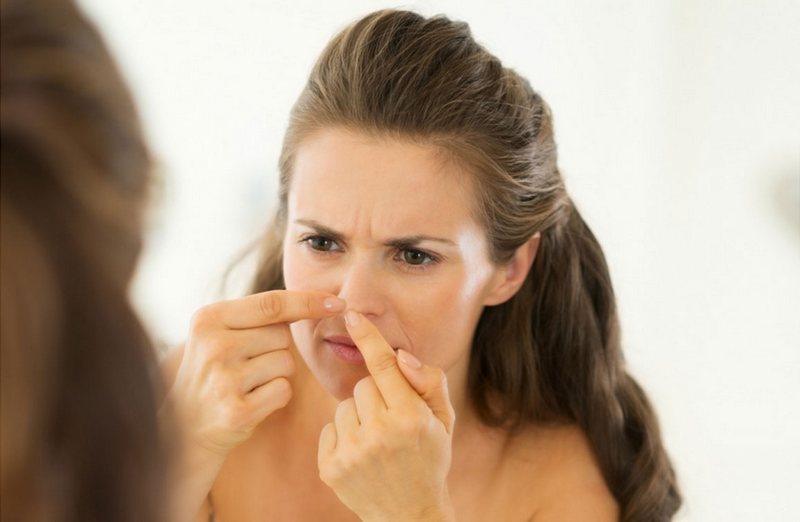
Squeezing with fingernails, sharp extractors, forceful pore vacuums, and repeated adhesive strips can injure skin and leave inflammation or marks. Removing the visible top of a plug does not prevent the pore from filling again. For a safer distinction between lesion types, see blackheads versus sebaceous filaments. For a broader routine framework, use the guide to managing blackheads without aggressive extraction.
Use a checkout checklist for blackhead cleansers
- Exact product role: cleanser, acne wash, makeup remover, or exfoliating treatment.
- Active ingredient: confirm what is present and whether another routine step already supplies it.
- Directions: check frequency, contact time, rinsing, and body-area limits.
- Fragrance and prior reactions: compare the full ingredient list with products that have caused trouble.
- Package condition: avoid damaged seals, contamination, or missing directions.
- Routine cost: favor a repeatable basic routine over several overlapping products.
Know when cleanser selection is no longer the main issue
Painful nodules, spreading inflammation, scarring, sudden severe acne, uncertain growths, or symptoms that persist despite an appropriate over-the-counter routine need professional assessment. A cosmetic article cannot determine whether a bump is acne or choose prescription care. Pregnancy, medication use, eczema, allergy history, and other skin conditions can also change what is appropriate, so ask a qualified clinician when the label and general guidance do not answer the question.
Editorial sources
- American Academy of Dermatology: acne skin-care tips
- American Academy of Dermatology: face washing 101