Best Korean Eye Cream: Texture, Labels, and Routine Fit

The best Korean eye cream is not a universal product; it is the one that fits your eye-area texture needs, label expectations, packaging preference, and morning or night routine. Use this source-backed guide to compare gel, lotion, cream, balm-like, and roller styles without turning a cosmetic choice into an overclaim.
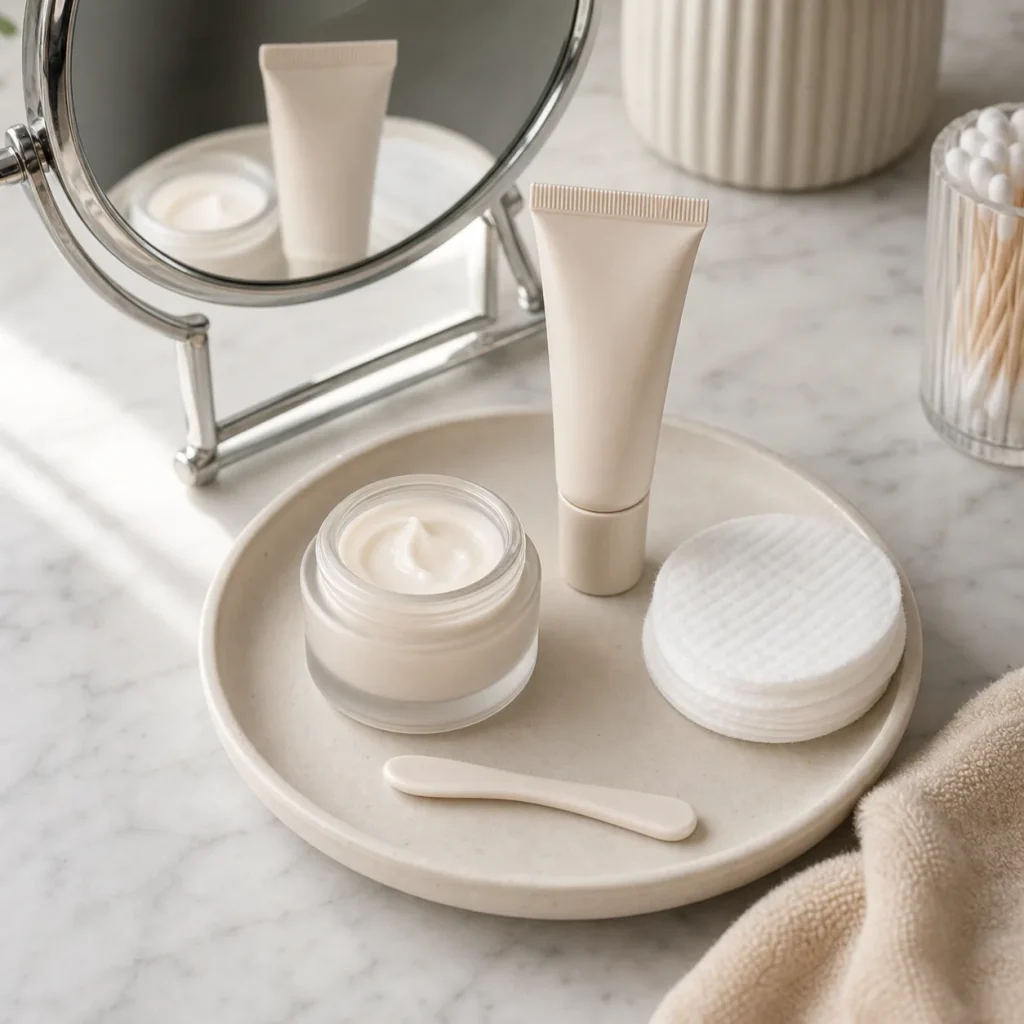
Quick Answer: How to Choose a Korean Eye Cream
Start with texture, packaging, label wording, and routine fit. A Korean eye cream can be a light gel, lotion, cream, or balm, so the best match depends on whether you want fast daytime layering, richer night comfort, smoother-looking concealer, or a simple eye-area step that stays out of the lash line.
| Shopping need | Best direction | Why it works | Check before buying |
|---|---|---|---|
| Fast morning routine | Gel or light lotion | Sets quickly before sunscreen or concealer | Whether it pills under makeup |
| Dry-looking under-eye area | Cream with humectants and emollients | Adds a smoother cosmetic feel | Whether the finish is too shiny for daytime |
| Fine-line look | Thin layers and a formula that settles cleanly | Less product can sit in creases | Concealer wear after one hour |
| Puffy-looking mornings | Light texture and cool-feeling storage if the label allows | Feels fresh without heavy residue | Eye-area directions on the label |
| Visible shadow look | Cosmetic brightening or tone-evening wording | Helps set realistic makeup and skin-care expectations | Whether the claim stays cosmetic |
| Sensitive-feeling routine | Shorter label, fragrance-aware choice | Reduces extra variables in the routine | Test one new product at a time |
Why This Page Keeps the Clean URL
The clean URL is the best place for one updated Korean eye cream guide. The older same-intent pages are being kept as archives and excluded from search so shoppers see one stronger, source-backed page instead of several overlapping answers. For eye cream amount, placement, and order, use the separate eye cream application guide.
| Page intent | Use this page when | Use another page when |
|---|---|---|
| Korean eye cream choice | You are comparing textures, label wording, and routine fit | Use this current guide |
| Application order | You already own eye cream and need placement steps | How to apply eye cream |
| Korean eye makeup | You need liner, shadow, and lash-area makeup style ideas | Korean eye makeup guide |
| Base makeup for delicate routines | You need foundation rather than eye-area skin care | Sensitive-skin foundation guide |
Texture Matrix
Korean eye creams often feel lighter than traditional rich creams, but the category is broad. Texture matters because the eye area has movement, blinking, makeup, and sunscreen nearby. Pick the texture that supports your day instead of choosing only by trend language.
| Texture | Best fit | Finish | Watch out for |
|---|---|---|---|
| Gel | Morning routines and oily-feeling lids | Quick, light, fresh | May feel too light at night |
| Lotion | Balanced routines with concealer | Soft and flexible | Can still pill if layered too soon |
| Cream | Dry-looking under-eye area | Comfortable, more cushion | May crease makeup if over-applied |
| Balm-like cream | Night routines and very dry-feeling areas | Rich and glossy | Too heavy near lashes for daytime |
| Cooling roller | Quick morning feel | Fresh and thin | Tool hygiene and pressure control |
Skin-Type and Routine Fit
Choose by the routine around the eye cream. If sunscreen, concealer, and eye makeup are part of the morning, the product needs to set cleanly. If the step is mainly for nighttime comfort, richness can matter more than fast dry-down.
| Routine type | Better eye cream style | Layering note | Decision test |
|---|---|---|---|
| Oily-feeling skin | Gel or thin lotion | Use less near the lash line | No sliding after sunscreen |
| Dry-feeling skin | Cream with humectant support | Apply a rice-grain amount per side | Comfort without heavy shine |
| Makeup days | Fast-setting lotion | Let it settle before concealer | Less creasing after wear |
| Night routine | Richer cream if comfortable | Keep it outside the lash line | No product migrating into eyes |
| Minimal routine | Simple texture, clear directions | One new product at a time | Easy repeat use |
Ingredient and Label Signals
Eye cream ingredient lists are useful, but they should be read as cosmetic signals. Humectants help a formula feel water-binding, emollients add slip, niacinamide is common in tone-focused cosmetics, peptides appear in many line-focused formulas, and caffeine often appears in morning eye products. None of those words should replace label directions or personal testing.
| Signal | What it usually suggests | Best use | Limit |
|---|---|---|---|
| Glycerin or hyaluronic acid | Humectant feel | Dry-looking or tight-feeling area | Needs a formula that wears well |
| Squalane, shea, or oils | Emollient slip | Night comfort or dry-looking texture | May feel heavy under makeup |
| Niacinamide | Tone-focused cosmetic positioning | Visible shadow look or uneven tone appearance | Not a body-function promise |
| Peptides | Line-focused cosmetic positioning | Fine-line look and smoother feel | Results vary by formula and use |
| Caffeine | Morning eye-product positioning | Puffy-looking mornings | Texture and application still matter |
| Fragrance | Scented experience | Only if your routine tolerates scent | Extra variable near the eye area |
Packaging and Hygiene
Eye-area products sit close to lashes and tear ducts, so packaging is part of the buying decision. FDA eye cosmetic safety guidance emphasizes using eye products carefully and avoiding contamination. A tube or pump is simple for daily use; a jar can work, but clean fingers or a clean tool matter more.
| Package | Pros | Cons | Best practice |
|---|---|---|---|
| Tube | Easy dose control | Can dispense too much if squeezed hard | Use a small dot per side |
| Pump | Keeps fingers out of the product | One pump may be more than needed | Share extra product elsewhere on the face only if label directions allow |
| Jar | Often richer textures | More finger contact | Use clean hands or a clean spatula |
| Roller | Cooling, quick feel | Can press too hard | Glide lightly and clean the applicator surface |
| Metal tip | Fresh feeling and targeted placement | Needs regular wiping | Avoid dragging close to the lash line |
Routine Order
AAD skin-care order guidance places products from thinner to thicker and puts sunscreen as the daytime final skin-care step. In practice, many people apply eye cream after serum and before moisturizer, then let it settle before sunscreen and makeup. The exact order can change if the product label says otherwise.
| Step | Morning | Night | Eye-area note |
|---|---|---|---|
| 1 | Cleanse or rinse | Remove makeup and cleanse | Avoid rubbing the eye area |
| 2 | Serum if used | Serum if used | Keep strong facial products away from lashes unless label allows |
| 3 | Eye cream | Eye cream | Use a small amount on the orbital area |
| 4 | Moisturizer if used | Moisturizer if used | Do not overload the same area |
| 5 | Sunscreen, then makeup | Optional richer finish | Let layers settle before concealer |
Concealer and Eye Makeup Pairing
The wrong eye cream can make concealer crease, while the right amount can make makeup sit more evenly. If eye makeup is the main goal, keep the skin-care layer thin and let it dry before liner or shadow.
- Use less product on makeup days than on night-only routines.
- Let eye cream settle before concealer.
- Choose fast-setting textures if mascara or liner transfers easily.
- Keep rich creams away from the lash roots.
- Use a separate eye makeup guide when the question is style rather than skin-care texture.
Claim Boundaries
Eye cream pages can slip into overpromising. Keep the decision cosmetic: texture, comfort, appearance, packaging, and routine fit. FDA cosmetic and drug boundary guidance is useful when a label moves from appearance language into body-function language. For this page, the practical approach is to prefer modest wording and judge how the formula fits your routine.
Common Mistakes
- Using too much product and then blaming the concealer for creasing.
- Choosing a rich night texture for a fast morning makeup routine.
- Applying product too close to the lashes.
- Buying by one ingredient instead of the whole formula and texture.
- Ignoring packaging hygiene for jars and roller tools.
- Expecting one product to handle every under-eye appearance goal.
- Layering several active-feeling products around the same eye area.
Sources
- FDA: Eye cosmetic safety
- FDA: Cosmetic and drug boundary
- FDA: Cosmetic labeling claims
- FDA: Age-related appearance product claims
- AAD: Skin-care product order
- AAD: Test skin-care products
- AAD: Healthier-looking skin routine
- Cleveland Clinic: Eye cream selection
FAQ
What is the best Korean eye cream?
The best Korean eye cream is the one whose texture, label wording, package, and routine fit match your skin-care and makeup habits. Start with a light gel for quick mornings, a lotion for balance, or a richer cream for night comfort.
Should Korean eye cream go before or after moisturizer?
Many routines place eye cream after serum and before moisturizer, then sunscreen during the day. Follow the product label if it gives a different order.
How much Korean eye cream should I use?
Use a small amount, often around a rice-grain size per side, then adjust only if the label and texture allow. Too much product can migrate or crease under makeup.
Which Korean eye cream texture is best under concealer?
A light lotion or fast-setting cream usually works better under concealer than a glossy balm. Let it settle before applying base makeup.
Can Korean eye cream help the look of dark circles?
It can support a cosmetic routine for the look of under-eye shadow when the label uses appearance-focused wording, but coverage, sleep, lighting, and concealer choice also affect how the area looks.
What should I choose for puffy-looking mornings?
Look for a light texture, comfortable applicator, and clear eye-area directions. A heavy cream may feel too rich for fast mornings.
Are Korean eye creams better than regular eye creams?
Not automatically. Korean eye creams often emphasize light textures and layered routines, but formula fit matters more than country branding.
Can I use face moisturizer instead of eye cream?
Sometimes, if the moisturizer label and texture suit the eye area. A separate eye cream can be useful when your facial moisturizer is too rich, too active-feeling, or not pleasant under makeup.
When should I stop using an eye cream?
Stop using a product that bothers your eyes, migrates into the lash line, or does not fit your makeup routine. Switch one variable at a time so you know what changed.