Nail Shapes: Length, Sidewalls, and Maintenance

Quick answer: Choose nail shape from the natural sidewalls, usable free-edge length, work demands, enhancement type, filing skill, and maintenance tolerance. Round, oval, squoval, square, almond, coffin, and stiletto shapes distribute length and corners differently. This independent editorial guide does not claim first-hand product testing, diagnose, prescribe, or guarantee a result.
Read the natural sidewalls and free edge
Look at the nail from above and from the end. Note width, sidewall direction, curve, asymmetry, current free edge, previous breaks, and whether skin or nail separates at the sides. Shape should preserve support rather than filing into the attached nail to imitate a narrow reference.
Different fingers may need slightly different corrections. Use a length that exists or an enhancement designed to create more. A photograph of long almond nails cannot be copied onto a very short natural free edge without changing the method.
Compare round, oval, and squoval
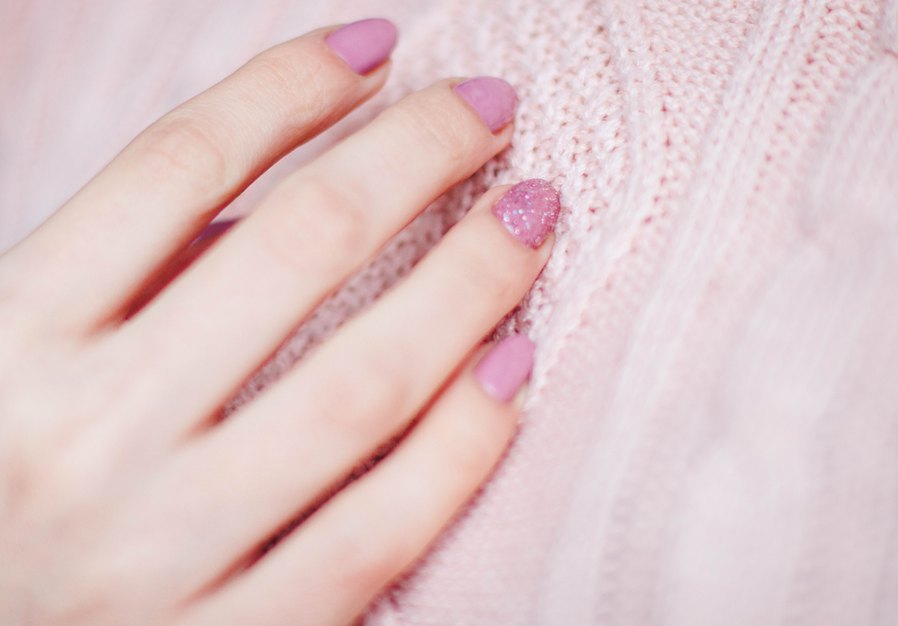
Round follows the fingertip with softened corners and can work at shorter lengths. Oval tapers gradually and needs enough free edge to maintain symmetry. Squoval keeps a flatter edge while rounding the corners, balancing a square look with fewer sharp points.
These descriptions are geometry, not strength guarantees. Filing too far into the sidewall can weaken any shape. Choose among them by available length, corner catching, work, and the frequency with which the edge can be maintained.
Understand square corners and leverage
Square nails keep parallel sidewalls and a straight free edge. Sharp corners create a defined silhouette but can catch fabric, hair, gloves, or equipment. At greater length, the flat edge and corners create leverage that the natural nail or enhancement must support.
Soften corners slightly when daily tasks make them impractical. Do not repeatedly saw deep into sidewalls to preserve a narrow square. If a corner cracks, shorten and rebalance rather than covering a split with another coat.
Reserve tapered shapes for adequate structure
Almond narrows to a softened point; coffin or ballerina narrows to a flat tip; stiletto ends in a sharper point. These shapes need enough length and structure, often through an enhancement, to avoid removing excessive natural sidewall support.
The sharper and longer the design, the more it can affect typing, contact lenses, caregiving, sports, food preparation, gloves, and accidental scratching. Test a shorter version before committing to high leverage or a point that changes ordinary hand use.
Choose length from daily load
List work, instruments, cleaning, lifting, keyboard use, hobbies, children, pets, and required protective gloves. A shape that fits a photo may interfere with safe grip or snag repeatedly. Comfort and function are valid reasons to keep a shorter edge.
Check the underside and contact points during ordinary tasks. Pain, bending, clicking, or repeated impacts indicate the length or structure needs adjustment. A longer enhancement does not make the natural nail beneath it immune to force.
File in a controlled sequence
Use a file grit and material appropriate to the natural nail or enhancement. Establish length, compare sidewalls, create the free-edge outline, then refine symmetry. Support the fingertip and inspect from multiple angles instead of filing one side continuously from above.
Avoid aggressive back-and-forth pressure on thin, peeling, or sore nails. Clean dust appropriately and stop before heat, pain, or skin abrasion. Filing cannot treat splits, infection, lifting, or unexplained discoloration.
Separate natural nails from enhancements
Polygel, acrylic, hard gel, soft gel tips, and press-ons create different structures and removal requirements. A shape that needs added length should be designed within that system's apex, sidewall, cure, and maintenance instructions.
Do not use adhesive or enhancement material on inflamed, damaged, or infection-looking nails. Keep uncured gel off skin. Lifting, green or dark changes, pain, or drainage should not be hidden by reshaping and recoloring.
Maintain symmetry as nails grow
Growth moves the enhancement structure forward and changes the balance of corners and apex. Natural nails can also develop small differences through use. Schedule filing or professional maintenance based on actual growth, catching, and structure rather than a universal interval.
Shorten all nails only when a consistent set matters; otherwise one repaired finger can remain different while it grows. Do not over-file the remaining nails simply to match a break. Track which corners repeatedly fail and adjust the shape or length.
Know when shaping should stop
Stop for pain, bleeding, nail separation, deep splits, swelling, drainage, or rapidly changing color. These are not design problems. Preserve the nail without additional coating and seek appropriate assessment when changes are persistent or severe.
A successful nail shape supports the current nail or chosen enhancement, fits daily tasks, can be filed and removed safely, and remains comfortable between maintenance. Gorgeous is subjective; structure and usability are observable.
Use proportion as a starting point, not a rule
Photograph the natural nails from above and from the side, then compare free-edge width, sidewall direction, nail-bed length, curvature, and the amount of maintenance each proposed shape needs. A tapered shape can change the visual proportion of a broad nail, while a straighter edge can preserve usable length, but neither effect makes one shape universally correct.
Test the outline with a removable visual guide before filing significant length. Keep both sidewalls structurally supported and check the shape while the hand is relaxed, not only close to the file. If the nail is thin, peeling, split, or painful, prioritize a short protective outline and allow the problem to recover rather than pursuing a dramatic silhouette.
Recheck the outline after routine wear
Evaluate the chosen shape after several normal days of typing, washing, opening containers, and household tasks. Note where corners snag, the free edge flexes, or one sidewall repeatedly chips. Correct small asymmetries with minimal filing and shorten a shape that conflicts with daily use. Maintenance evidence is more useful than choosing an outline only because it looks balanced in a single photograph.
Related Beauty Supply Reviews guides
Editorial sources
- https://www.fda.gov/cosmetics/cosmetic-products/nail-care-products
- https://www.aad.org/public/everyday-care/nail-care-secrets/basics/healthy-nail-tips